


FU Yi
Professor
1. PI Introduction
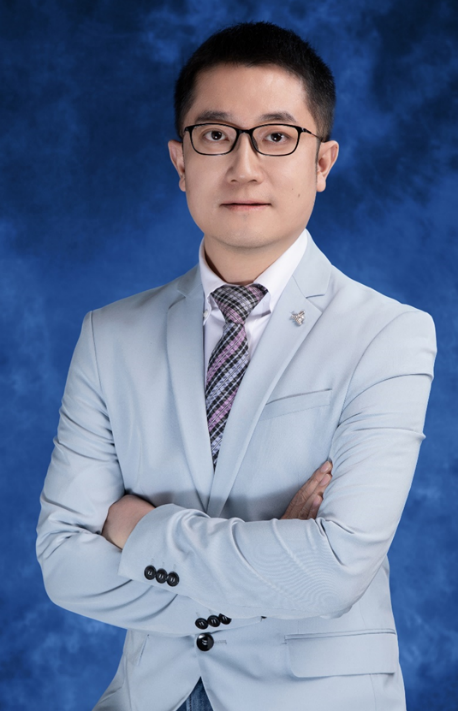
Yi Fu, Principal Investigator,Department of Physiology and Pathophysiology, School of Basic Medical Sciences, Peking University, and Boya Young Scholar.
Email: yi.fu@bjmu.edu.cn
His research focuses on the inflammatory microenvironment and the pathogenesis of major vascular diseases. He has published over 70 papers in journals such as Circulation, J Clin Invest., Circ Res., Cardiovasc Res., Cell Rep Med., and others. He is supported by the National Natural Science Foundation of China for the Outstanding Youth Science Fund. His awards include the 2023 Best Basic/Translational Research Paper Award from the American Heart Association’s Circulation journal, recognition as one of the Top 10 Advances in Basic Research in Cardiovascular Research in China (2023), the First Prize for Natural Science from the Ministry of Education (third contributor), and the Second Prize in the 11th National Youth Excellent Physiology Paper Competition of the Zhang Xijun Foundation of the Chinese Physiological Society. He serves as Deputy Director of the Youth Working Committee and member of the Matrix Biology Committee of the Chinese Physiological Society, member of the Cardiovascular Immunology Branch of the Chinese Society for Immunology, and editorial board member of Cardiovascular Innovations and Applications.
2. Representative Publications
Huang J, Liu H, Liu Z, Wang Z, Xu H, Li Z, Huang S, Yang X, Shen Y, Yu F, Li Y, Zhu J, Li W, Wang L*, Kong W*, Fu Y*. Inhibition of aortic CX3CR1+ macrophages mitigates thoracic aortic aneurysm progression in Marfan syndrome in mice. J Clin Invest. 2025;135(2):e178198.
Li W, Liao Y, Liu Z, Niu L, Huang J, Jia Y, Xu R, Guan S, Liang Z, Li Y, Wu H, Zhu S, Tan L, Yu F, Wang Z, Sun L, Zhao D*, Kong W*, Fu Y*. The inner nuclear membrane protein LEMD3 organizes the 3D chromatin architecture to maintain vascular smooth muscle cell identity. Nat Commun. 2025;16(1):8826.
Dong Z, Jin Y, Shen Y, Huang J, Tan J, Feng Q, Gong Z, Zhu S, Chen H, Yu F, Li W, Jia Y, Kong W, Fu Y*. Methyltransferase-like 3-catalysed N6-methyladenosine methylation facilitates the contribution of vascular smooth muscle cells to atherosclerosis. Cardiovasc Res. 2025;121(4):568-584.
Huang J, Feng Q, Dong Z, Li Z, Liu Y, Xu R, Liu Z, Ding Q, Yang X, Yu F, Jia Y, Zhou Y, Kong W, Tang H*, Fu Y*. METTL3 Exacerbates Intimal Hyperplasia by Facilitating m6A-YTHDC1-Dependent SGK1 Gene Transcription. Arterioscler Thromb Vasc Biol. 2025;45(9):e437-e453.
Feng Q, Qi L, Huang J, Dong Z, Yu F, Zhang J, Zhan J, Zhang H, Wang W, Zhou Y, Yang Z, Zhou Y, Kong W, Fu Y*. Cardiovascular Mettl3 Deficiency Causes Congenital Cardiac Defects and Postnatal Lethality in Mice. Int J Biol Sci. 2025;21(6):2430-2445.
Huang J, Fu Y*. Epigenetic leash on the epitranscriptome: unveiling a novel regulatory axis in vascular smooth muscle contractility. Cardiovasc Res. 2025;121(12):1803-1805.
Fu Y*, Zhou Y, Wang K, Li Z, Kong W*. Extracellular Matrix Interactome in Modulating Vascular Homeostasis and Remodeling. Circ Res. 2024;134(7):931-949.
Shen Y, Dong Z, Fan F, Li K, Zhu S, Dai R, Huang J, Xie N, He L, Gong Z, Yang X, Tan J, Liu L, Yu F, Tang Y, You Z, Xi J, Wang Y, Kong W*, Zhang Y*, Fu Y*. Targeting cytokine-like protein FAM3D lowers blood pressure in hypertension. Cell Rep Med. 2023;4(6):101072.
Ma Z, Mao C, Jia Y, Yu F, Xu P, Tan Y, Zou QH, Zhou XJ, Kong W*, Fu Y*. ADAMTS7-Mediated Complement Factor H Degradation Potentiates Complement Activation to Contributing to Renal Injuries. J Am Soc Nephrol. 2023;34(2):291-308.
Ma Z, Mao C, Chen X, Yang S, Qiu Z, Yu B, Jia Y, Wu C, Wang Y, Wang Y, Gu R, Yu F, Yin Y, Wang X, Xu Q, Liu C, Liao Y*, Zheng J*, Fu Y*, Kong W*. Peptide Vaccine Against ADAMTS-7 Ameliorates Atherosclerosis and Postinjury Neointima Hyperplasia. Circulation. 2023;147(9):728-742.
3. Laboratory Introduction:
Research Direction: Mechanisms of the inflammatory microenvironment in the regulation of major vascular diseases.
Chronic inflammation is a key pathogenic mechanism in major vascular diseases. However, current clinical anti-inflammatory therapies targeting classical immune cells or cytokines often increase the risk of infection. The immune cells infiltrating the local vasculature, together with active extracellular molecules (such as extracellular matrix components, cytokines, and metabolites), constitute the vascular microenvironment that regulates inflammation. In-depth analysis of the regulatory mechanisms of this local microenvironment holds promise for discovering new anti-inflammatory targets for major vascular diseases that are both safe and amenable to intervention. Current research in this area is highly focused on classical pro-inflammatory components—namely, locally infiltrating immune cells and pro-inflammatory cytokines—and the clinical translation approach generally follows the traditional anti-inflammatory paradigm centered on "immune elimination." However, the onset and progression of vascular inflammation involve dynamic interactions and coordinated regulation between pro-inflammatory and anti-inflammatory factors. Our understanding of how endogenous anti-inflammatory molecules in the microenvironment are regulated and how they affect the development of major vascular diseases remains limited. Additionally, from a pro-inflammatory perspective, beyond classical immune cells and cytokines, how do non-classical pro-inflammatory cell types (e.g., platelets, endothelial cells, vascular smooth muscle cells) and their derived pro-inflammatory components function? Where are their regulatory nodes? These questions also warrant in-depth investigation. Our laboratory focuses on the local vascular microenvironment, seeking "anti-inflammatory" potential from within while exploring "non-classical pro-inflammatory" targets from without, striving to achieve precise intervention strategies for vascular inflammation without compromising systemic immune defense.
4. Laboratory Members
Postdoctoral Fellow: Zhu Shirong
PhD Students: Jin Yourong, Chen Huiyue
Eight-Year Basic Medical Sciences Program (PhD Stage): Yan Chufan, Zhu Minzhe, Yu Xinyao, Lin Sen